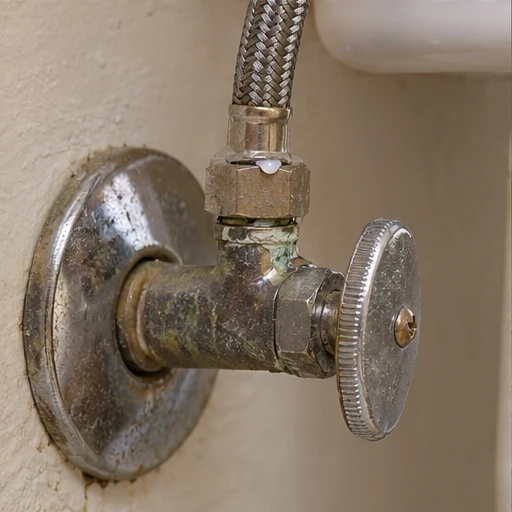
A pressurized connection can leak while the faucet is off. Water can also run down from the faucet above.
What to do Stop using the fixture. If the valve is accessible, dry and familiar, close it gently. Leave a stiff or corroded valve alone and call a plumber.
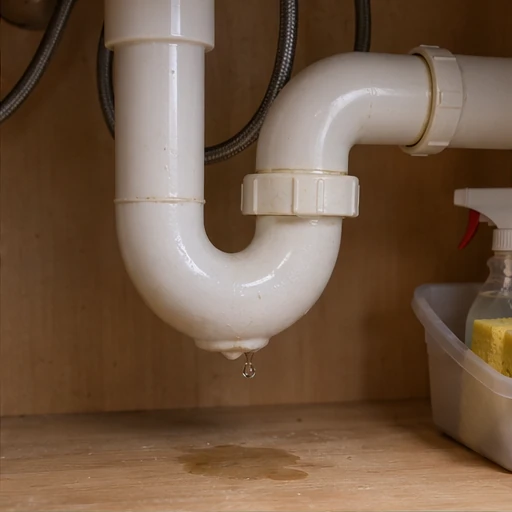
A drip beneath the sink
The lowest point catches water from anywhere above. A drip that starts just after the basin empties puts the drain assembly on the list.
What to do Look up to the sink strainer, faucet base and supply connections. Note the highest wet fitting. Avoid running more water to reproduce an active leak.
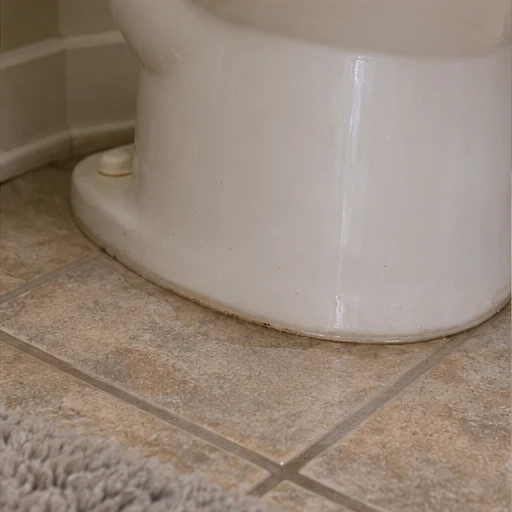
A damp crescent beside the toilet
Water can travel down from the tank, supply hose or condensation. Wetness that returns at the base after flushing raises a separate drain-seal question.
What to do Look at the tank and supply from dry ground. Stop using a toilet that leaks at the base. Keep people clear of suspected wastewater and arrange plumbing service.
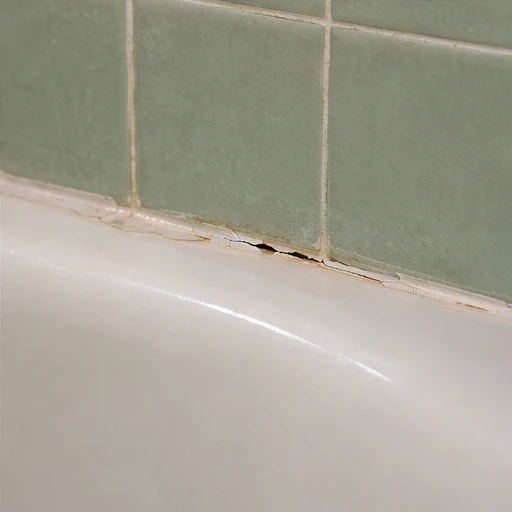
A split in the tub surround
Splash can pass through a failed joint during showers. The drain, overflow and concealed supply are other possibilities when a ceiling below gets wet.
What to do Pause use if water is escaping. Note whether the last event followed a shower, a filled bath or draining. Have concealed damage checked before resealing.
Basements & foundations
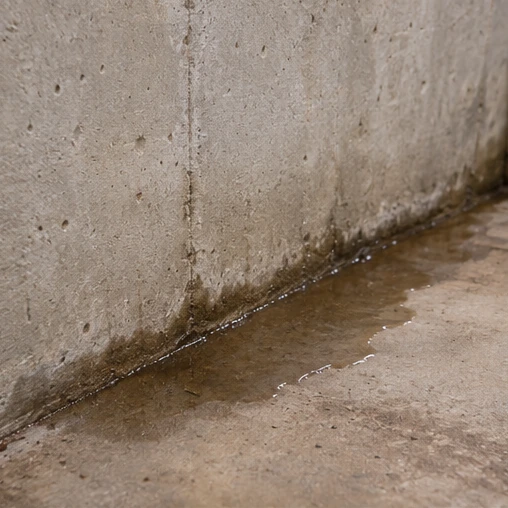
Water at the wall-floor seam
This joint can admit water when soil outside is saturated. A pipe or window higher up can also send water down to the same edge.
What to do Look for the highest wet mark from a safe, dry position. Record the lag between rain and entry. Ask a drainage specialist to trace the route before agreeing to an interior coating.
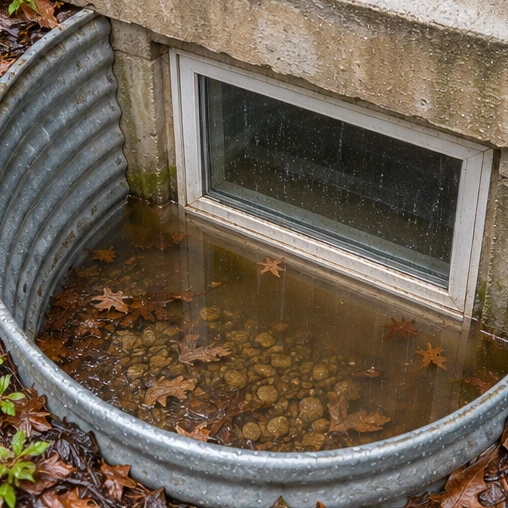
Water against a basement window
Water trapped in a well can reach the frame. Overflowing gutters, high surrounding grade or a drainage problem can all contribute.
What to do Photograph the well from above without climbing in. If the water level rises during storms, have the runoff and well drainage checked together.
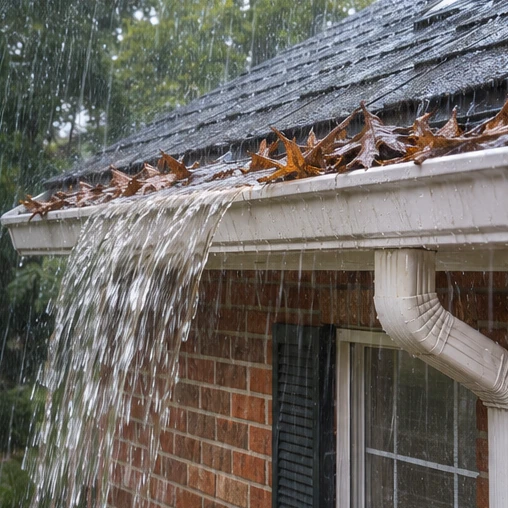
Water spills over the gutter
Concentrated runoff near the wall can explain why one basement corner gets wet first. Water can also flow back toward the house from a short outlet.
What to do From ground level, record where the spill lands and where the downspout empties. Leave ladder work until conditions are safe and use a qualified roofer or gutter contractor.
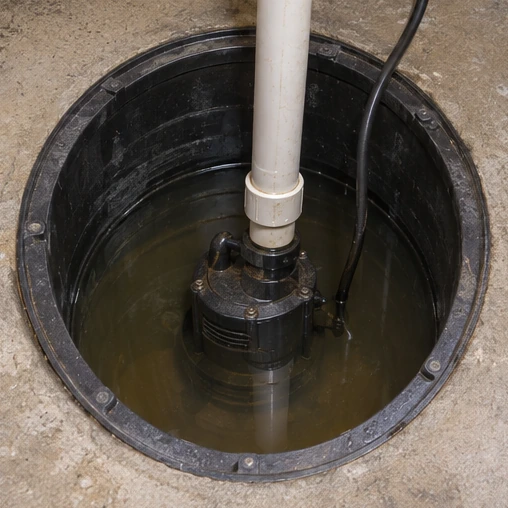
Water around the sump basin
Water inside a basin is expected. Water escaping onto the floor, an alarm, or rising water while the pump stays silent changes the urgency.
What to do Keep away from wet cords and outlets. Note the water level and whether the pump ran. A plumber or pump specialist can check power, controls and the discharge path.
The furnace cabinet may sit underneath the AC coil. A summer puddle near the furnace can start in the cooling system above it. During heating season, a condensing furnace or an attached humidifier can also produce water. Note which equipment was running when water appeared. Identify the equipment in the HVAC guide. For a breeze at a seam, see air leaks and drafts.
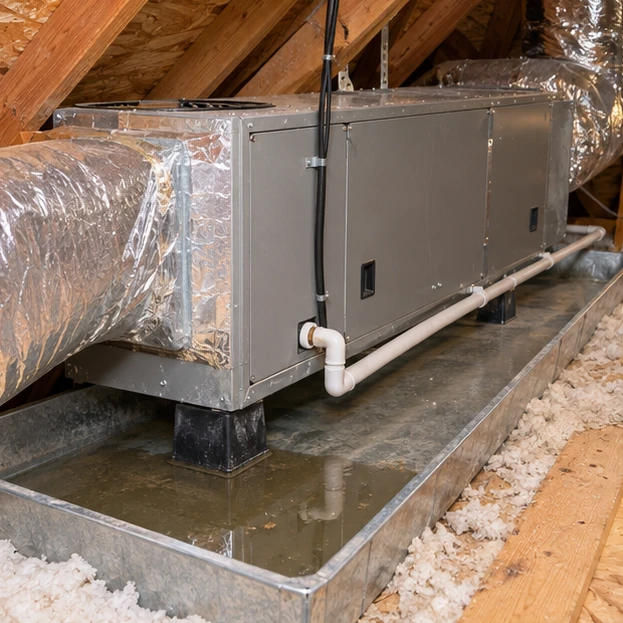
Water in the auxiliary pan
Cooling pulls moisture from the air. It normally leaves through a condensate drain. Water collecting in a secondary pan can signal a blocked drain or trouble with the primary pan.
What to do If accessible from a dry location, turn cooling off at the thermostat and arrange HVAC service. Keep the unit closed. A wet cabinet, outlet or electrical panel needs professional attention.
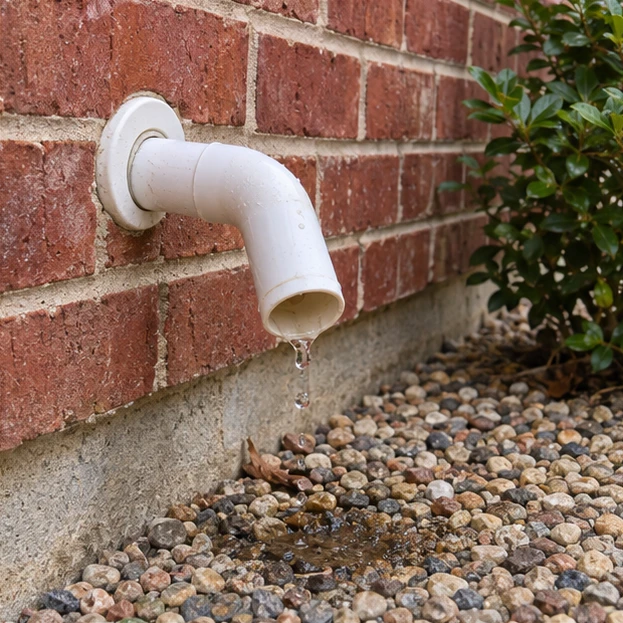
A small pipe dripping outdoors
A primary AC drain may drip during cooling. Some homes have a separate overflow outlet in a conspicuous location. A drip there can be an early warning.
What to do Identify which line it is with your installer or service records. A new drip from an overflow, or indoor water at the same time, warrants service. Keep the outlet open.
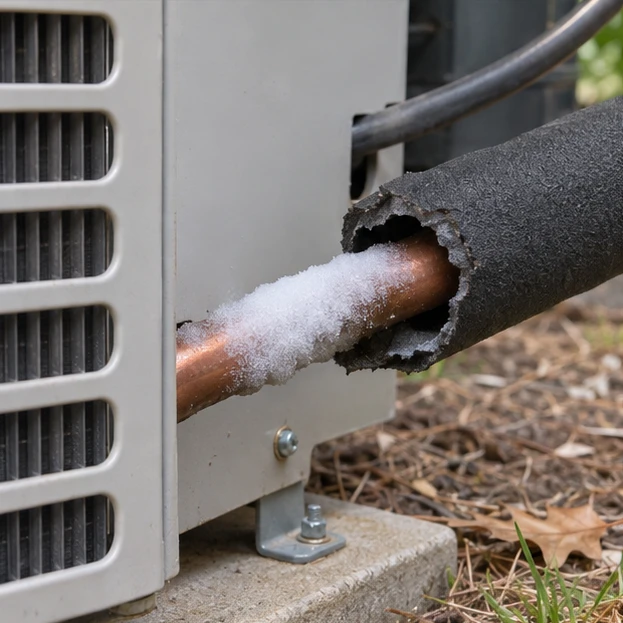
Frost on the refrigerant line
Ice can melt into a puddle when the equipment cycles off. Airflow problems and refrigerant problems can look similar from the outside.
What to do Switch cooling off at a dry thermostat and call an HVAC technician. Leave ice in place to thaw naturally. Avoid chipping it, opening panels or handling refrigerant.
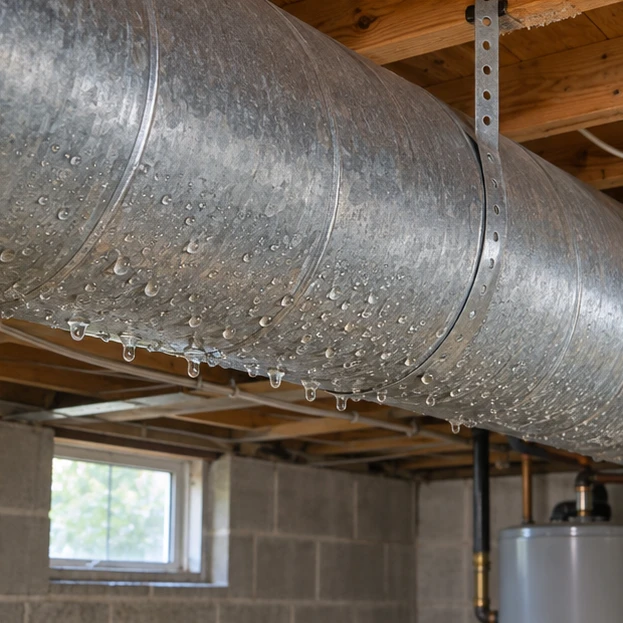
Beads along a cold duct
Humid air can condense across a cold duct surface. A broad area of beading is a different clue from water emerging from one fitting.
What to do Note humidity, cooling runtime and damaged insulation. Ask an HVAC professional to check insulation, air leakage and moisture control if it recurs.
Air leaks & drafts
Start with timing. Does the breeze appear only while the system fan runs, or can you feel it on a windy day with the system off? Compare the nearest duct joint, grille edge, door or hatch. Timing helps narrow the search, but more than one air path can affect a room. Check a draft at a window frame.
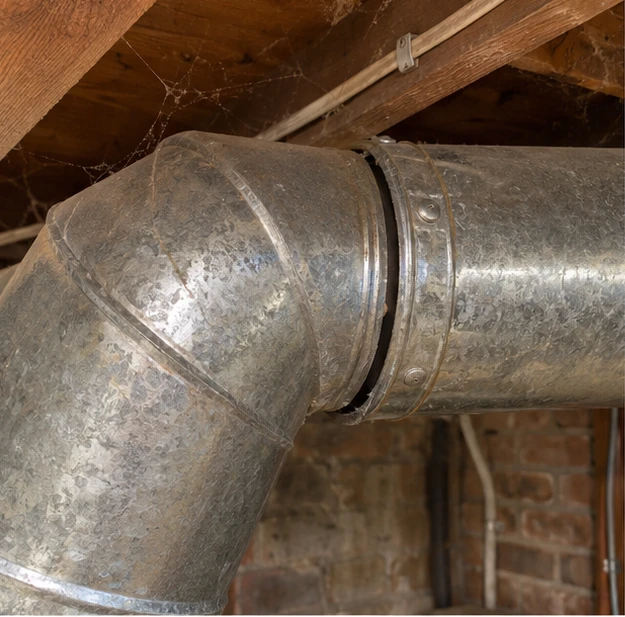
Supply duct · air blowing out
The supply side delivers heated or cooled air to rooms. With the blower running, a gap can send some of that air into the basement or attic before it reaches a register.
What to do From a safely accessible spot, check whether a breeze at the seam starts and stops with the blower. Air coming out of the register face is normal. A weak register alone can also point to a closed damper, restricted filter or crushed duct.
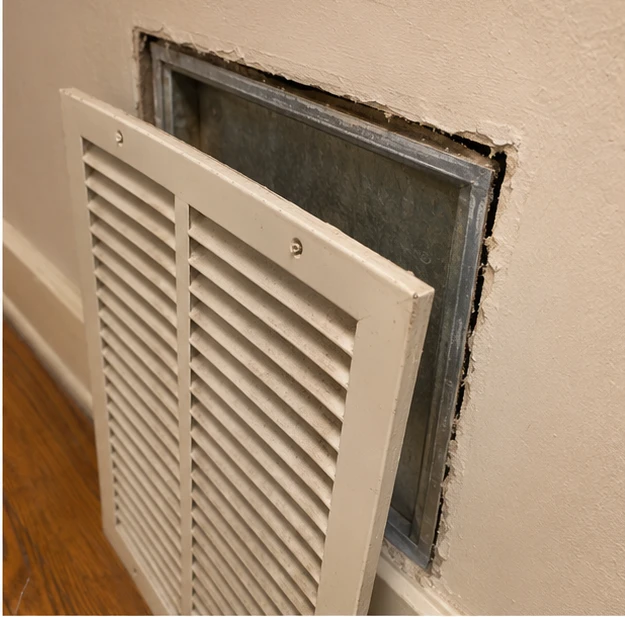
Return duct · air drawn in
The return carries room air back to the equipment. A gap between a return boot and its connection can draw air from a wall cavity. Suction through the grille face is expected.
What to do A gap in the trim is a clue. It takes an inspection of the connection behind it to confirm a leak. Ask an HVAC technician to check the boot, return path and airflow before sealing anything.
Exterior door · a draft at the edge
Outdoor air can enter where the door fails to meet the weatherstrip. A draft that changes with the wind while the blower is off points toward the exterior seal.
What to do With the door latched, look for daylight or flattened weatherstrip. Check whether the seal makes contact along the jamb and sweep. A worn, accessible strip can be replaced if the door still closes and latches freely.
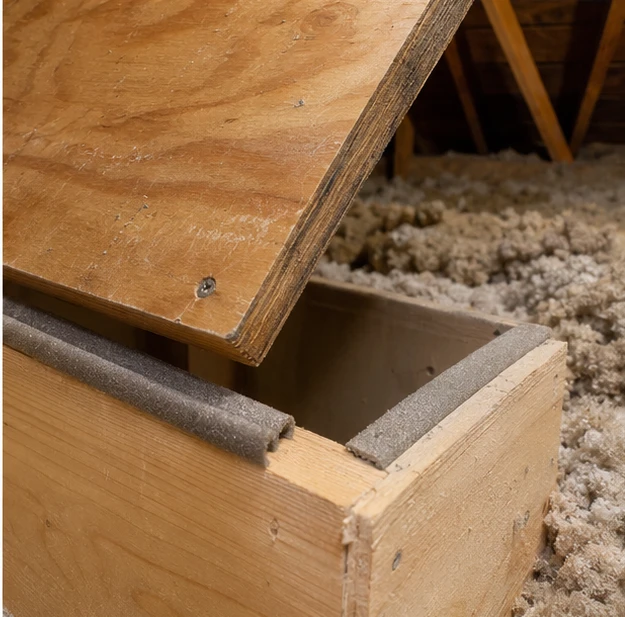
Attic hatch · a break in the gasket
The hatch is part of the boundary between the living space and attic. Air can move through a break in its perimeter seal even when the HVAC blower is off. The direction can change with temperature and wind.
What to do Look at the fit from the room below. If the panel sits unevenly, ask an energy assessor about gasket contact, insulation and a blower-door test. Leave high or hard-to-reach hatches to a professional.
Which test answers your question?
A duct-leakage test measures air escaping from the duct system under a controlled pressure. A blower-door test measures air moving through the home’s exterior boundary. Ask for the measured result before and after repairs. Leave intentional ventilation openings, combustion-air inlets and flues open. Where fuel-burning appliances are present, ask about combustion safety testing after sealing.
Ceilings, windows & walls
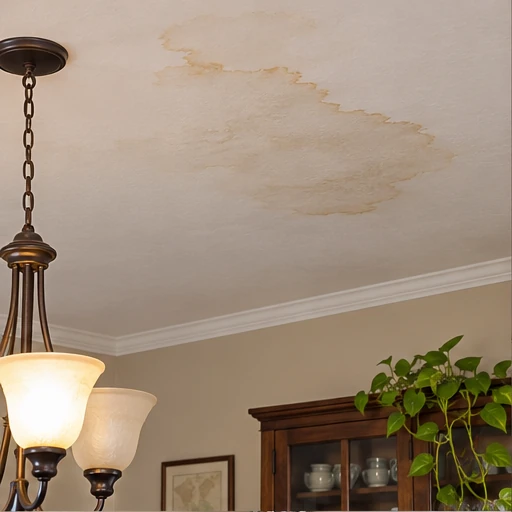
A ring on the ceiling
Water can travel along a joist before it shows through paint. An upstairs fixture, roof penetration or attic air handler may all be above the same room.
What to do Stay clear if the ceiling sags, bulges or sheds material. Photograph from the doorway. Note the weather and which fixtures or equipment ran before the mark changed.
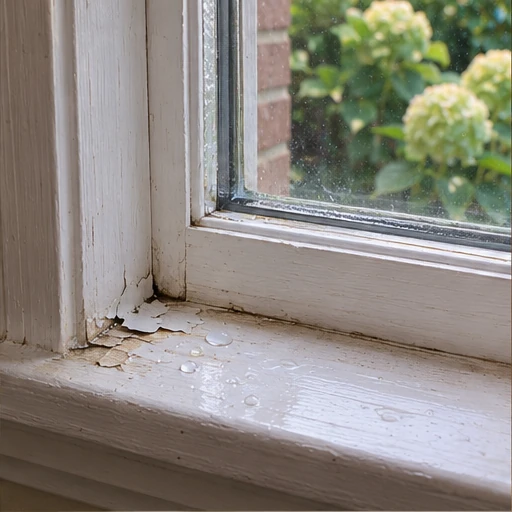
A wet sill after wind-driven rain
Rain getting past exterior details can wet a sill. Indoor humidity can also leave droplets on cold glass that run into the same corner.
What to do Record whether glass is wet across several windows or only one opening gets wet during storms. A window or building-envelope specialist can inspect flashing and drainage.
Droplets along a cold pipe
Widespread beads in humid air suggest condensation. A single drip at the low point may have traveled along the pipe.
What to do Record where beading starts and when it appears. If it persists when the air is drier, or water starts at a joint, have a plumber inspect before covering the pipe.
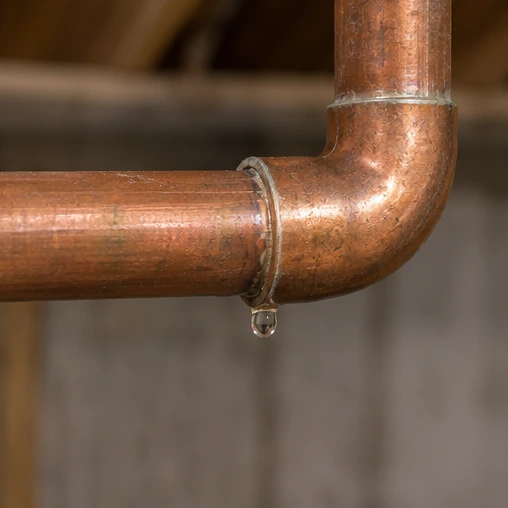
A bead at one pipe connection
A localized bead at a joint can indicate a fitting leak. Compare the pipe immediately uphill for a wet track or uniform sweating.
What to do If dry access is safe, photograph the joint and nearby run together. Keep the area visible for the plumber. Avoid tightening or disturbing an aging connection.
When it starts. Write down the time and what happened first. “New spot 20 minutes after the bath drained, dry weather, AC off” gives a technician a better starting point than “ceiling leak.”
Where water appears first. From safe ground, take a room view and a detail of the highest visible wet point. Label the room above or the outside wall beside it. Avoid opening a ceiling to follow a drip.
What changes after shutoff. For an active supply leak, close a familiar, safely accessible water shutoff and call a plumber. A meter reading that changes during a period of zero water use can flag a hidden supply-side loss. A stationary meter cannot rule out rain, condensate or a drain leak.
Once the water source is controlled and the area is safe, dry clean-water damage promptly, ideally within 24–48 hours. Seek professional help for sewage, extensive damage or concealed wet materials.
Sources & images
These AI-generated illustrations show visible clues. The homeowner observations and safety guidance draw on the following references.