Follow the air through the house
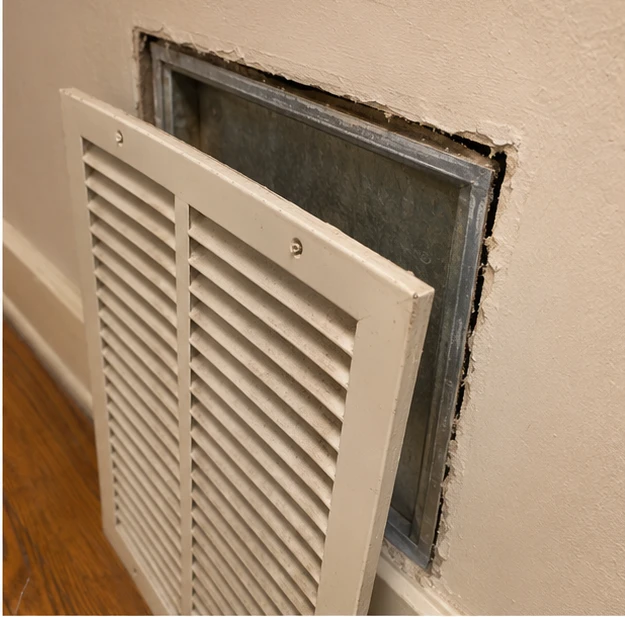
In a ducted system, the supply grille delivers conditioned air. Air needs a path back to a return grille, through the filter and across the heating or cooling equipment. A bedroom with a supply grille and a closed door can be uncomfortable even when the hall thermostat reads perfectly.
One room changes when you close the door
On two similar afternoons, note the temperature in the room and hallway, first with the door open and then closed. Keep the thermostat setting the same. Clear furniture from grilles. If the difference consistently grows with the door closed, ask the contractor to measure room airflow and pressure with the door shut. A return path, duct repair or balancing adjustment may solve a problem that a larger unit would leave behind.
A supply duct leaks into an attic
The blower pushes paid-for cooling through a loose joint before it reaches the bedroom. A leak on the return side can instead draw hot, dusty attic air into the equipment. Photograph visible disconnected joints from an accessible floor. Ask for duct leakage testing, the location of leaks and measurements after sealing. Envelope leaks around windows, rim joists or a ceiling hatch need a blower-door assessment of the house itself.
ENERGY STAR duct sealing guide
The rooms are cool but feel clammy
Compare a hygrometer reading in the problem room with one near the thermostat. Log showers, rain, fan settings and how long the cooling runs. A short cooling cycle may end before much moisture drains off the coil. Outdoor air entering through leaks, a damp basement or a bath fan that discharges into the attic can also add moisture. EPA suggests 30–50% relative humidity when feasible, and below 60%. Ask the technician to check cooling runtime, airflow and moisture sources before quoting a dehumidifier.
EPA guide to humidity and condensation
Where does fresh air come from?
A conventional furnace blower or ductless head usually circulates room air. Look for a dedicated outdoor intake or ventilation unit. Bath fans and externally vented range hoods remove pollutants at the source. Whole-house exhaust draws replacement air through openings, supply ventilation brings in outdoor air with a fan, and balanced ventilation has both intake and exhaust. An HRV recovers heat between those streams. An ERV also transfers some moisture. Ask where both ports terminate and how delivered airflow was measured, especially when tightening an older home with combustion appliances.
DOE whole-house ventilation guide
When something feels wrong
Gas odor or a sounding carbon monoxide alarm. Get everyone outside immediately. For suspected gas, leave switches, appliances and phones alone until safely away. Call 911 from outside. Spire customers in eastern Missouri can also report a gas emergency at 800-887-4173. For a CO alarm, call 911 and wait for responders to clear the home before returning. Carbon monoxide has no smell.
Spire gas emergency instructions · CPSC carbon monoxide guidance
Water beside the indoor unit
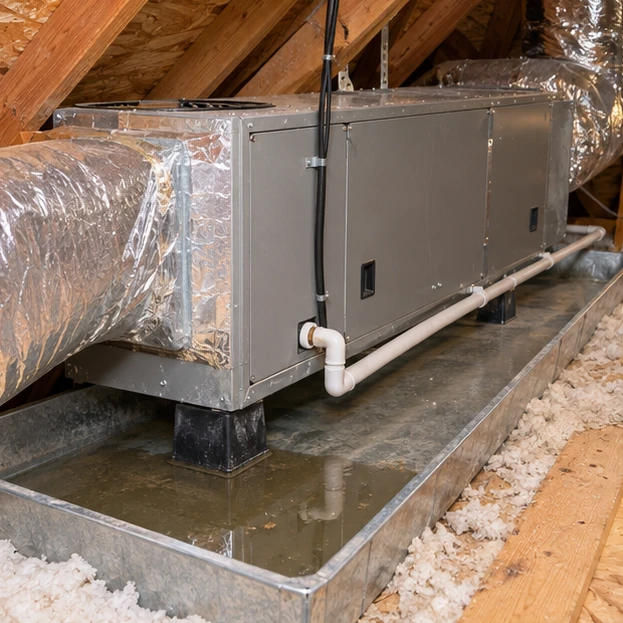
Cooling removes moisture as water on the indoor coil. It normally drains through a pan and pipe. Record where the water first appears and whether it follows cooling, heating or rain. A blocked drain, sweating duct or nearby plumbing leak can leave similar puddles. If the unit is actively leaking, stop it at a dry, safely accessible thermostat and call for service. Keep clear of wet electrical equipment.
Ice on a coil
Note the mode and location. Thin frost on an outdoor heat-pump coil during heating can clear during automatic defrost. Persistent heavy ice or worsening heat calls for service. Ice on indoor cooling equipment calls for shutting cooling off and arranging a check of airflow and refrigerant operation. Leave ice in place to melt naturally.
Heating bill jumps after a cold spell
Compare energy units on both bills and the number of billing days. Note any thermostat change, extended cold weather and how often auxiliary heat appeared. For a heat pump, ask the technician to check control settings, backup operation and delivered capacity at low outdoor temperatures. Share photographs of thermostat messages with timestamps.
A seasonal care routine
During heavy use. Inspect the user-accessible filter monthly and clean or replace it according to the equipment manual. Record its size, rating and airflow direction. Ask which filter ratings the blower can accommodate. Keep supply and return grilles clear.
Before cooling season. Clear loose leaves around the outdoor unit to the clearance in its manual. Look for staining under the indoor drain. Have the technician check coil condition, airflow, condensate drainage and refrigerant operation. For a ductless system, identify the filter and drain serving each head.
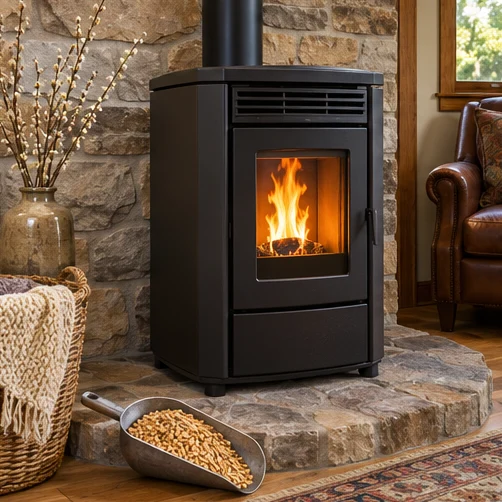
Before heating season. Arrange a check of burners, venting and safety controls on fuel-fired equipment. Test CO alarms according to their instructions. For a pellet stove, schedule the appliance and flue service specified for that model. Ask the installer to show you the heat pump’s normal defrost and backup indications.
ENERGY STAR maintenance checklist
What to put side by side in two bids
A proposal for equipment alone can look less expensive than a bid that includes the electrical work, permits and duct repairs. Give each bidder the same room-by-room comfort notes and ask for these details in writing.
Capacity and winter performance
Request the design temperatures, room-by-room load calculation (Manual J), and the equipment selected for that load (Manual S). Ask how it manages humidity on a mild, wet day. For a heat pump, request its heating output at your local winter design temperature, the expected shortfall, and how the controls bring on the backup source.
Equipment and scope
Get exact indoor and outdoor model numbers, controls and matched efficiency ratings. Itemize wiring or panel changes, ductwork, condensate routing, venting, removal and finishes. For geothermal, include drilling or trenching and landscape restoration. For pellets, include the approved vent, cleaning access and dry fuel storage.
Repair, replace and operating costs
For a repair bid, ask what failed, what test confirmed it, the installed repair price and warranty. For replacement, compare the full installed price and estimated annual fuel and electricity use using the same rates and weather assumptions. Include routine service, pellet deliveries, backup heat and any gas service charges you would retain. Request the assumptions behind any payback figure.
Acceptance and follow-up
Ask who pulls permits, schedules inspections and provides startup results. Request measured airflow and static pressure on a ducted system, refrigerant checks where applicable, thermostat setup and a walkthrough of filter and drain access. Compare parts and labor warranties separately and ask who handles callbacks.
ENERGY STAR printable bid comparison sheet
Find the right St. Louis permit office
Use the installation address and describe the scope, including changes to fuel, electrical service, vents or ground loops. A postal city name can cross permitting boundaries. Ask the office to confirm jurisdiction and the contractor’s license for the work, then have the contractor identify the permit and inspection arrangements on the bid.
City of St. Louis. The Building Division issues mechanical permits to City-licensed mechanical contractors for work including furnace, boiler and ventilation installations. City Building Division permit desk
St. Louis County. Confirm the permitting office for your municipality. The County portal includes public searches for permits and licenses. Match both the company name and trade. County permit and contractor license portal
St. Charles County. Check whether County Building and Code Enforcement handles the address, then review the mechanical permit and license information. County mechanical permits · Contractor licensing
Metro East. For unincorporated St. Clair County, start with County Building & Zoning. Inside a municipality or elsewhere in Illinois, contact the building office that serves the address. St. Clair County permit information
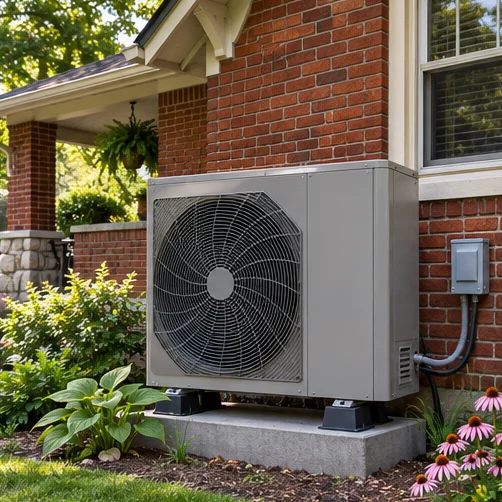
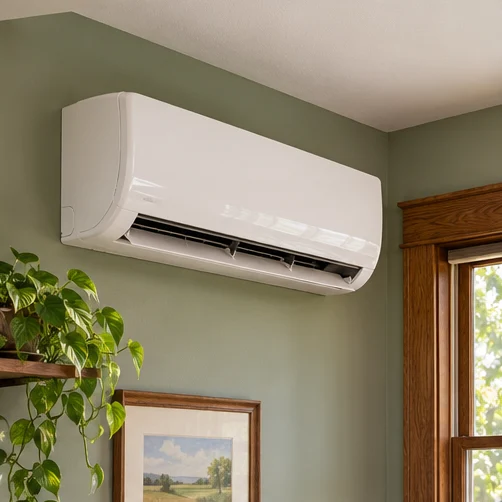
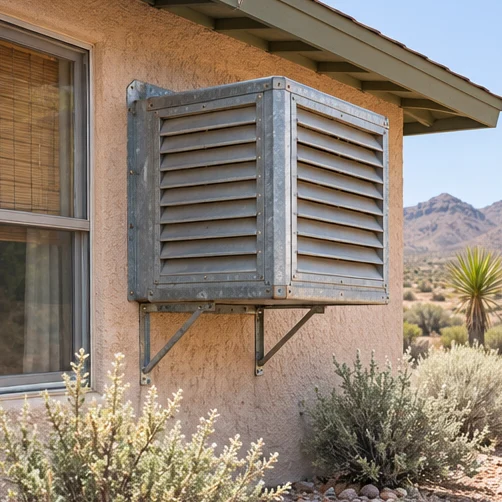
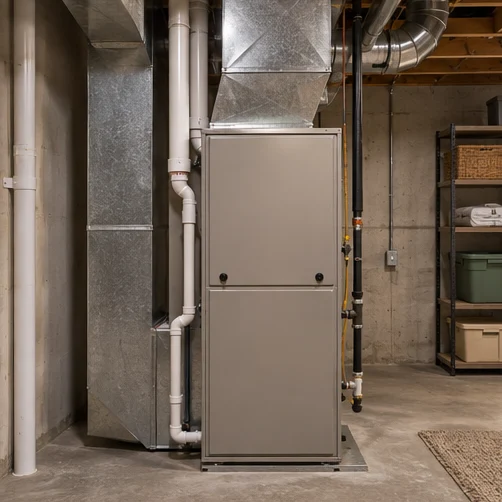
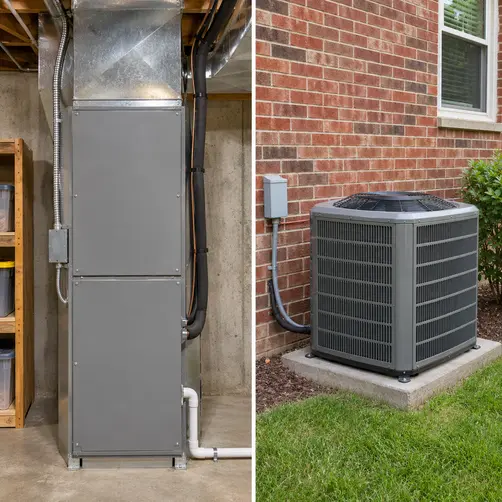
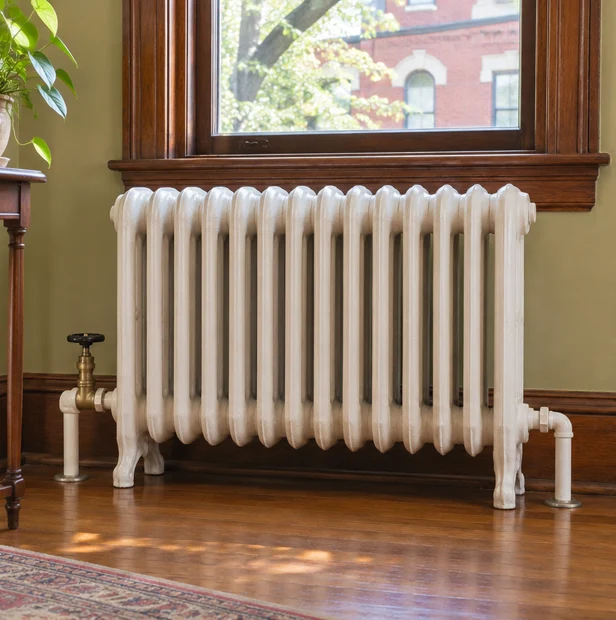
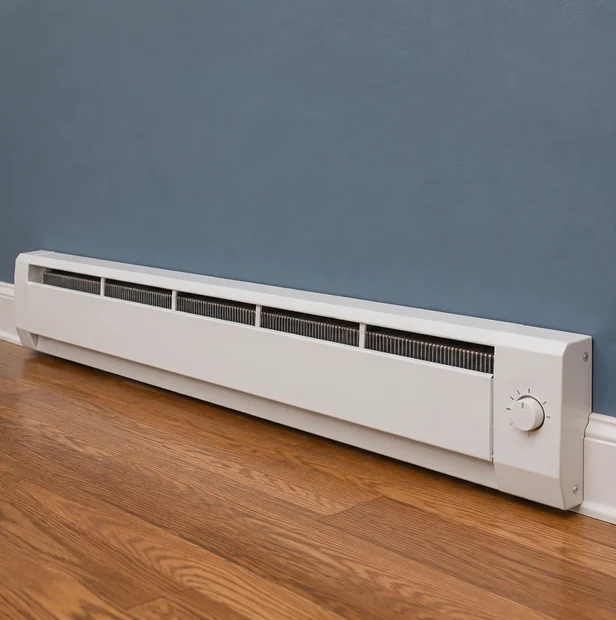
The equipment atlas uses AI-generated illustrations. Check the model plate and manufacturer’s manual for the features of your own equipment.